
Quick Answer
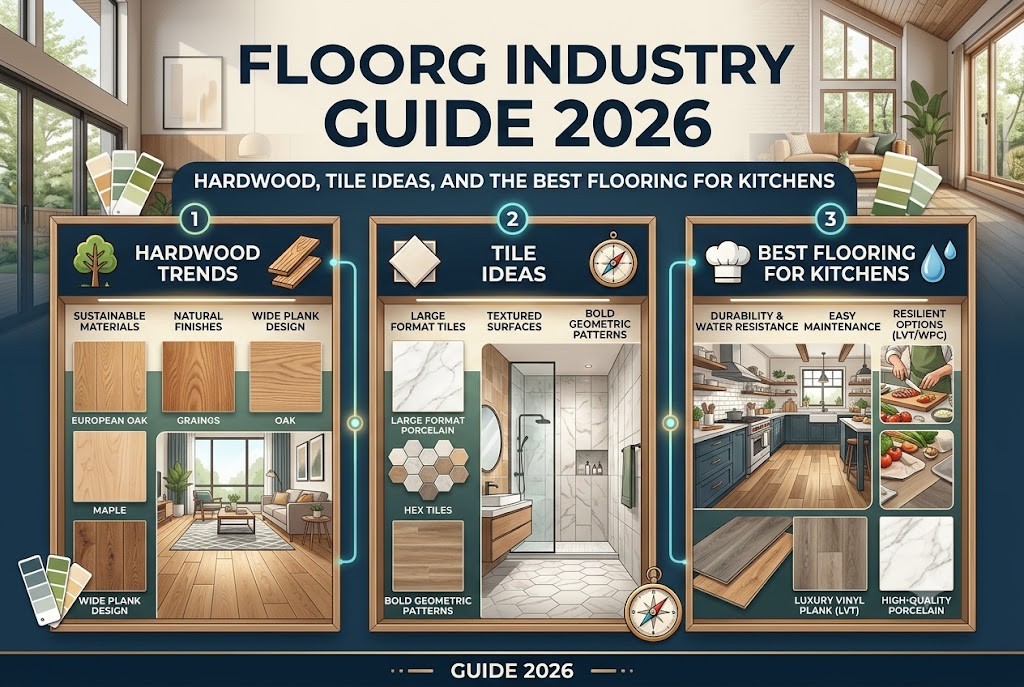
The flooring industry in 2026 continues to be led by three dominant categories: hardwood flooring (prized for warmth and resale value), tile flooring (valued for moisture resistance and design versatility), and engineered waterproof options increasingly used in kitchens. For kitchens specifically, porcelain tile and waterproof luxury vinyl plank are generally considered the best flooring for kitchens due to their moisture resistance, while solid hardwood remains best suited to lower-moisture living spaces.
Key Facts Table
| Flooring Type | Water Resistance | Avg. Cost per Sq. Ft. | Lifespan | Best Rooms |
|---|---|---|---|---|
| Solid Hardwood | Low | $6–$14 | 30–100 years (with refinishing) | Living room, bedroom |
| Engineered Hardwood | Moderate | $4–$11 | 20–30 years | Living room, dining room |
| Porcelain Tile | High | $3–$10 | 25+ years | Kitchen, bathroom, entryway |
| Ceramic Tile | High | $2–$7 | 20+ years | Kitchen, bathroom |
| Waterproof LVP | High | $2–$7 | 15–25 years | Kitchen, basement |
Introduction
Flooring is one of the largest single investments in any home, and the choices have grown more sophisticated every year. At Home, we work with clients weighing the classic appeal of hardwood against the practicality of tile — and increasingly, engineered products that blur the line between the two. This guide walks through where the flooring industry stands in 2026, with a close look at hardwood flooring, tile flooring ideas, and what genuinely makes the best flooring for kitchens.
Hardwood Flooring in 2026
Solid vs. Engineered Hardwood
Solid hardwood is milled from a single piece of wood and can be refinished many times over its lifespan, making it a long-term investment. Engineered hardwood uses a real wood veneer over a plywood or composite core, offering better dimensional stability in fluctuating humidity — a meaningful advantage in regions with seasonal temperature swings.
Popular Hardwood Trends
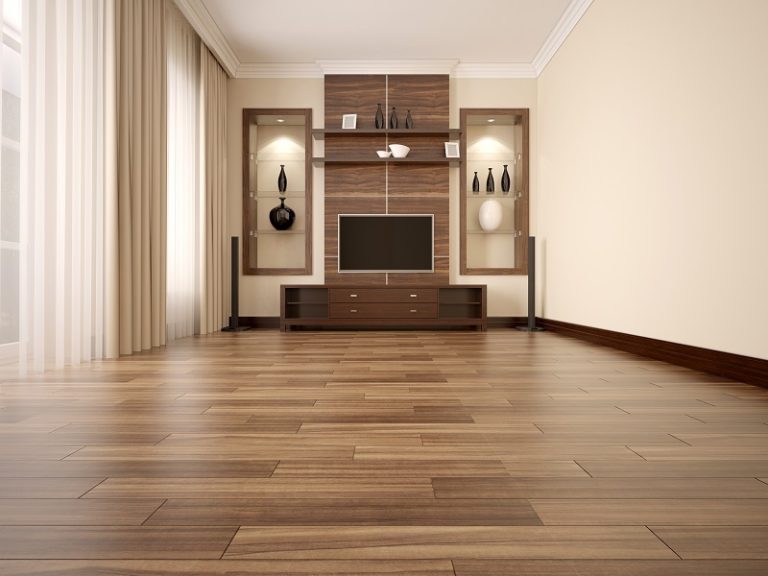
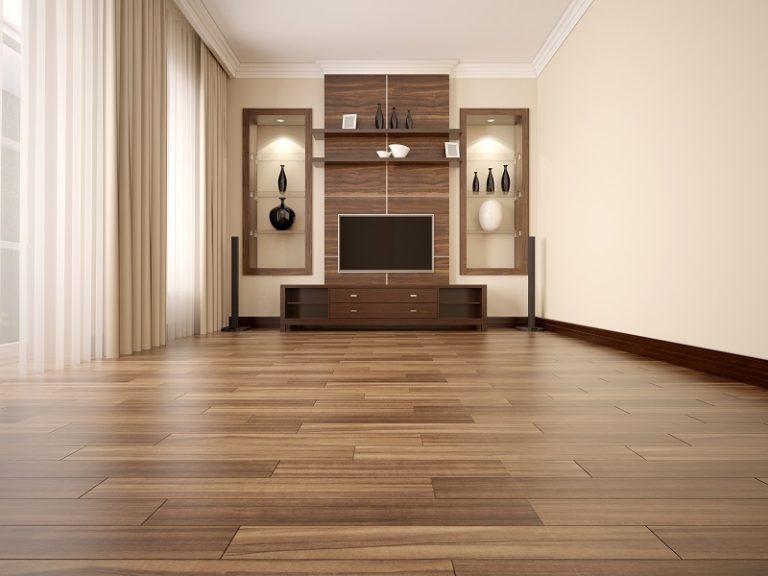
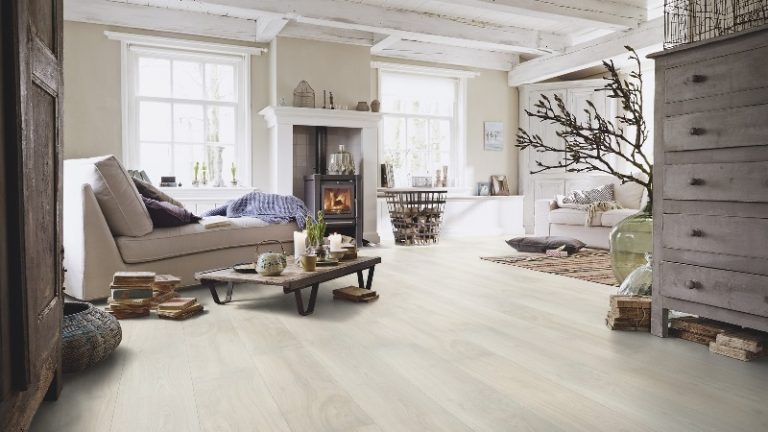
Wide-plank formats (5–8 inches) and matte, low-sheen finishes continue to dominate hardwood requests, replacing the glossy, narrow-plank looks that were popular in earlier decades. White oak remains a top species choice for its versatility across both traditional and modern interiors.
Where Hardwood Works Best
Hardwood performs best in living rooms, bedrooms, and dining rooms — spaces with minimal water exposure. It’s generally not recommended for full bathrooms or areas prone to standing water.
Tile Flooring Ideas for 2026
Large-Format Porcelain Tile
Large-format tiles (24×24 inches or bigger) reduce the number of grout lines, creating a cleaner, more seamless look that’s especially popular in kitchens and open-concept spaces.
Wood-Look and Stone-Look Tile
Porcelain tile manufactured to mimic wood grain or natural stone gives homeowners the aesthetic they want with the moisture resistance tile provides — a popular compromise for kitchens where hardwood isn’t practical.
Patterned and Statement Tile
Encaustic-style patterned tile is increasingly used as an accent in entryways, backsplashes, and small bathrooms to add visual interest without overwhelming a full room.
Step-by-step: Planning a tile floor layout
- Measure the room and calculate square footage with 10% overage for cuts and waste.
- Choose tile size based on room scale (larger tiles for larger rooms).
- Plan grout line placement, starting from the room’s most visible focal point.
- Select grout color — contrasting for definition, matching for a seamless look.
- Confirm subfloor is level and suitable for tile installation (cement backer board recommended over wood subfloors).
What’s the Best Flooring for Kitchens?
Kitchens face constant exposure to spills, grease, and foot traffic, which narrows the practical flooring options considerably.
Top Kitchen Flooring Choices
- Porcelain tile — highly water-resistant, durable, and available in wood-look or stone-look finishes.
- Waterproof luxury vinyl plank (LVP) — fully waterproof, comfortable underfoot, and budget-friendly.
- Engineered hardwood with a sealed finish — an option for homeowners who want a wood look, though still more moisture-sensitive than tile or LVP.
Why Solid Hardwood Is Riskier in Kitchens
Solid hardwood can warp or cup when exposed to repeated moisture from spills, dishwasher leaks, or high humidity, making it a less reliable long-term choice for kitchens compared to tile or waterproof vinyl.
Comparison: Hardwood vs. Tile for Kitchens
| Factor | Hardwood | Tile |
|---|---|---|
| Water Resistance | Low to moderate | High |
| Comfort Underfoot | Warmer, softer | Cooler, harder |
| Maintenance | Requires refinishing over time | Low maintenance, durable |
| Resale Appeal | Strong in living areas | Strong in kitchens/baths |
| Cost | Higher (solid) | Moderate |
Frequently Asked Questions
What is the best flooring for kitchens? Porcelain tile and waterproof luxury vinyl plank are generally considered the best options for kitchens due to their strong moisture resistance and durability.
Is hardwood flooring a good choice for kitchens? Solid hardwood is possible but riskier due to moisture exposure from spills and leaks; engineered hardwood with a sealed finish is a somewhat safer alternative, though still less water-resistant than tile.
What’s the difference between solid and engineered hardwood? Solid hardwood is milled from a single piece of wood and can be refinished multiple times, while engineered hardwood has a real wood veneer over a composite core, offering better stability in humidity.
How long does hardwood flooring last? Well-maintained solid hardwood can last 30 to 100 years with periodic refinishing, while engineered hardwood typically lasts 20 to 30 years.
Is large-format tile harder to install than small tile? Large-format tile requires a very flat subfloor and precise handling, making it more commonly installed by professionals than smaller tile.
What flooring trends are popular in 2026? Wide-plank matte hardwood, large-format porcelain tile, and wood-look or stone-look tile finishes are among the leading trends this year.
Can tile flooring be installed over existing flooring? It depends on the subfloor and existing material; in many cases, old flooring must be removed and the subfloor leveled before tile installation.
Which is more expensive, hardwood or tile? Solid hardwood is typically the more expensive option per square foot, while ceramic and porcelain tile generally offer a more moderate price range.
Does tile flooring increase home resale value? Tile in kitchens and bathrooms is generally well-received by buyers due to its durability and moisture resistance, contributing positively to perceived home value.
How do I choose between hardwood and tile for an open-concept home? Many homeowners use hardwood or wood-look tile throughout main living areas for visual consistency, then switch to tile specifically in kitchens and bathrooms for moisture protection.
Key Takeaways
- Porcelain tile and waterproof LVP are the top choices for kitchen flooring.
- Solid hardwood offers long-term value but carries higher moisture risk.
- Engineered hardwood provides better humidity stability than solid wood.
- Large-format tile is trending in 2026 for its clean, seamless appearance.
- Matching flooring type to room moisture levels is the most important selection factor.
Conclusion
The flooring industry in 2026 offers more choice — and more nuance — than ever, but the fundamentals haven’t changed: match the material to the room’s real conditions. Hardwood continues to shine in living spaces where warmth and character matter most, while tile and waterproof vinyl remain the smarter, more durable choice for kitchens and other moisture-prone areas. Whichever direction you choose, prioritizing durability and moisture resistance in high-use rooms will protect your investment for years to come.
SEO Tags:


+ There are no comments
Add yours