
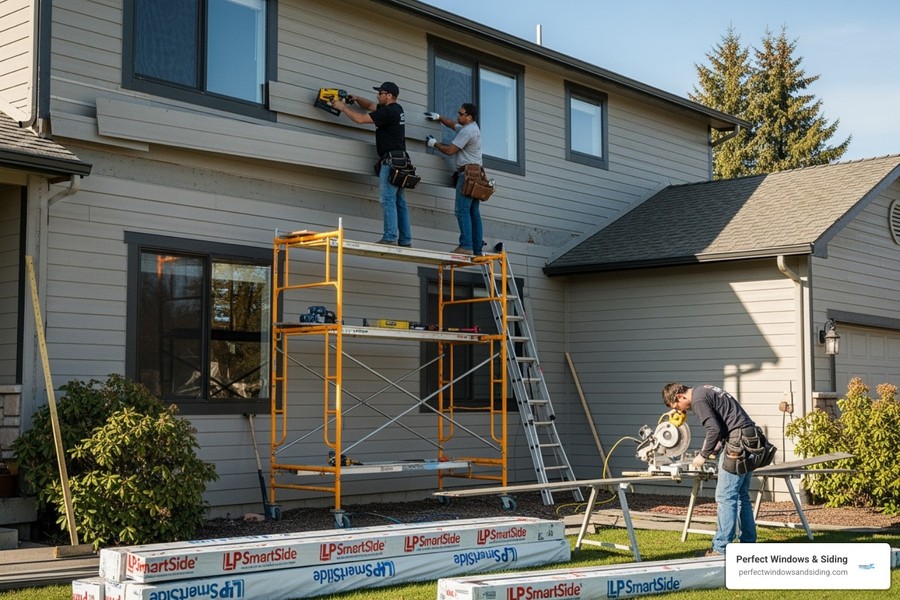
Siding installation is one of the most valuable exterior upgrades a homeowner can make. It improves curb appeal, adds a protective layer against weather, and can help reduce ongoing maintenance. But before starting the project, one of the first questions most homeowners ask is simple: how much will it cost?
The answer depends on several factors, including your home’s size, the siding material, the condition of the existing exterior, labor requirements, and the details involved in finishing the project properly. A reliable contractor should explain these cost factors clearly so you understand exactly what you are paying for.
Why Siding Installation Costs Vary
No two siding projects are exactly the same. A small single-story home with easy access will usually cost less than a larger multi-story home with complex corners, dormers, trim, and repair needs. The type of siding you choose also plays a major role.
Some homeowners only need a partial replacement, while others need full removal of old siding, moisture barrier installation, trim replacement, insulation upgrades, and repairs to damaged exterior walls. These details can significantly affect the final estimate.
That is why an in-person inspection is usually the best way to get accurate pricing. Online averages can provide a general starting point, but they cannot account for the unique condition of your home.
Main Factors That Affect Siding Installation Cost
Several items influence the total cost of siding installation. Understanding these factors can help you compare estimates more confidently.
1. Size and Shape of the Home
The larger the home, the more material and labor will be required. Contractors usually measure the exterior square footage to determine how much siding is needed.
The shape of the home also matters. A simple rectangular home is typically easier to side than a house with multiple rooflines, bay windows, decorative trim, porches, or architectural details. More cuts, corners, and finishing work usually mean more labor.
2. Type of Siding Material
Material choice is one of the biggest cost drivers. Common siding options include vinyl, fiber cement, engineered wood, natural wood, metal, and composite products.
Vinyl siding is often chosen because it is cost-effective, low maintenance, and available in many colors and styles. Fiber cement may cost more but offers strong durability and a premium appearance. Wood siding provides natural beauty but usually requires more maintenance. Engineered products may offer a balance of durability, design, and performance.
The right choice depends on your budget, design goals, maintenance preferences, and how long you plan to stay in the home.
3. Removal of Old Siding
If your existing siding must be removed, that will add labor and disposal costs. In some cases, old siding can reveal hidden problems such as rot, moisture damage, mold, or deteriorated sheathing.
Although removal may increase the upfront price, it can be important for long-term performance. Installing new siding over damaged materials can lead to bigger problems later.
4. Wall Repairs and Preparation
A quality siding project is not just about attaching new panels to the outside of your home. The surface underneath must be properly prepared. If the contractor finds soft wood, water damage, gaps, or uneven areas, those issues should be addressed before installation continues.
Preparation may include replacing damaged sheathing, installing house wrap, improving flashing, sealing openings, and making sure the exterior surface is ready to support the new siding system.
This step is essential because siding performs best when the layers behind it are also in good condition.
5. Labor and Installation Complexity
Labor costs depend on the experience of the crew, project difficulty, home height, accessibility, and the level of detail required. A multi-story home may require additional equipment and safety planning. Homes with detailed trim, shutters, vents, exterior fixtures, or unusual layouts may take more time.
While it may be tempting to choose the lowest labor price, siding installation is a skilled trade. Poor workmanship can cause water intrusion, loose panels, uneven lines, and premature material failure.
6. Trim, Soffit, Fascia, and Finishing Details
The final look of your siding depends heavily on the details. Trim around windows, doors, corners, roof edges, and transitions should be clean and secure. Some homeowners also choose to update soffit, fascia, gutters, or exterior accents during the same project.
These upgrades can increase the total cost, but they often create a more complete and polished exterior.
How to Compare Siding Estimates
When reviewing estimates, do not focus only on the final number. Look at what is included.
A strong siding estimate should clearly explain:
- The type and brand of siding material
- Scope of work
- Removal and disposal details
- Preparation and repair allowances
- Trim and finishing work
- Labor costs
- Project timeline
- Warranty information
- Payment terms
If one estimate is much lower than the others, ask why. It may not include the same preparation, cleanup, materials, or warranty coverage. A detailed estimate protects both the homeowner and the contractor by reducing confusion before work begins.
Why Local Experience Matters
Siding needs to stand up to local weather, seasonal temperature changes, rain, snow, humidity, and wind. A contractor familiar with homes in your area can recommend materials and installation methods that make sense for local conditions.
If you are looking for a siding contractor in Bergen County NJ, choose a company that understands the needs of North Jersey homes and can explain which siding options offer the right balance of appearance, durability, and value.
Local experience also helps with project planning, neighborhood styles, and common exterior issues found in the region.
Is the Cheapest Siding Estimate a Good Idea?
The cheapest estimate is not always the best choice. A low price may look appealing at first, but it can sometimes mean lower-quality materials, rushed work, limited preparation, or unclear warranty protection.
Good siding installation should be viewed as a long-term investment. When installed correctly, siding can protect your home for many years. When installed poorly, it can lead to repair costs that outweigh the initial savings.
Instead of asking which contractor is cheapest, ask which contractor offers the best combination of skill, transparency, materials, protection, and communication.
How Homeowners Can Prepare for a Siding Project
Before installation begins, homeowners can take a few simple steps to make the process smoother. Clear outdoor furniture, decorations, grills, and fragile items away from the work area. Trim bushes or branches close to the home if needed. Make sure the contractor has access to driveways, gates, outlets, and exterior walls.
It is also helpful to discuss daily cleanup, start times, parking, material storage, and how the contractor will handle unexpected repairs. Clear communication before the project begins can prevent delays and misunderstandings.
When Should You Replace Your Siding?
You may want to consider new siding if you notice cracking, warping, loose panels, fading, moisture stains, mold, rot, pest damage, or rising energy bills. Frequent repairs can also be a sign that replacement is more practical than continuing to patch problem areas.
If your siding looks worn or no longer protects your home properly, a professional inspection can help you decide whether repair or replacement makes more sense.
Work With a Contractor Who Explains the Full Cost
A trustworthy contractor will not just give you a number. They will explain what affects the price, what your home needs, and which options fit your goals. That level of transparency helps you make a confident decision.
If you have been searching for siding installation near me, KRR General Contractor can help you understand your options, review your exterior condition, and provide guidance based on your home’s specific needs.
Plan Your Siding Project With Confidence
Siding installation costs depend on materials, labor, home size, preparation, repairs, and finishing details. The most accurate way to understand your project cost is to schedule a professional inspection and request a detailed estimate.
By choosing an experienced contractor, asking the right questions, and comparing estimates carefully, you can protect your home, improve its appearance, and invest in siding that performs well for years.




+ There are no comments
Add yours