
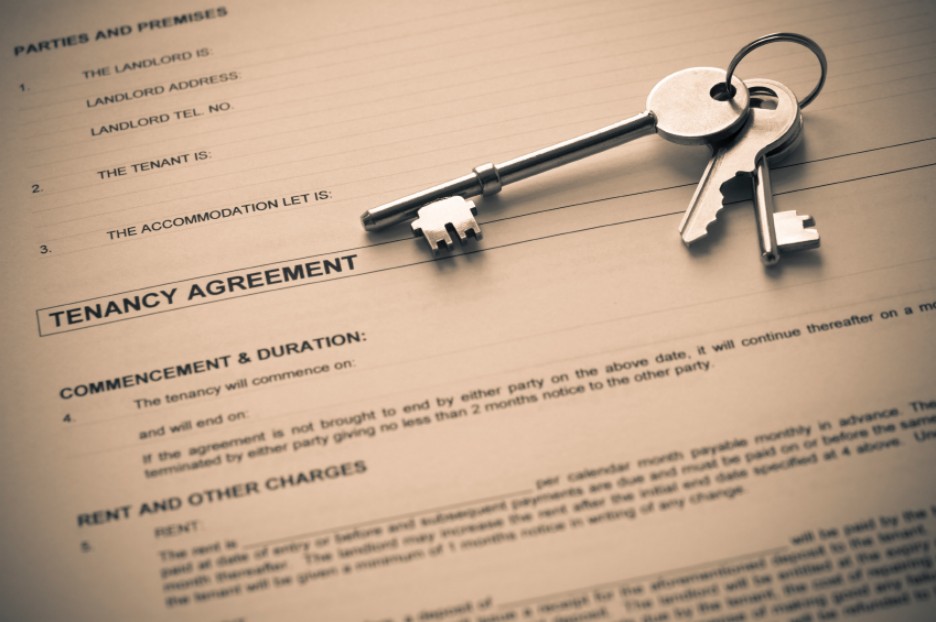
A rental agreement is a written contract between a landlord and a tenant. It explains the rules of renting a house, apartment, room, or commercial space. It states how much rent must be paid, how long the tenant can stay, and what both sides are responsible for. A well-written agreement prevents confusion, protects both parties, and makes the rental relationship fair and safe.
Many landlords and tenants now use a lease agreement template to create a clear and organized document. A template helps ensure that important details are not missed and that the agreement is easy to understand.
Benefits of Having a Written Rental Agreement
A rental agreement is more than just a form — it plays an important role in daily life, especially when disputes or misunderstandings arise. Here are some key benefits:
✔ Protects the Landlord
- Prevents property misuse
- Helps claim payment for damage
- Provides proof in case of non-payment of rent
✔ Protects the Tenant
- Stops landlords from asking for unfair charges
- Gives legal proof of tenancy
- Ensures tenants cannot be forced to leave suddenly
✔ Reduces Miscommunication
Everything is written clearly, such as:
- Rent amount
- Payment dates
- Maintenance rules
- Notice period
Using a rental agreement template makes it easier to include these details correctly and in a simple format.
Common Terms Used in Rental Agreements
To better understand an agreement, it helps to know some basic terms:
- Rent — The monthly amount paid by the tenant
- Security Deposit — Money kept by the landlord for safety against damages
- Notice Period — Time required before ending the agreement
- Effective Rent — The actual rent after adjusting benefits or concessions given to the tenant
- Premises — The rented space or property
These terms are usually included in every rental agreement template.
Rights and Responsibilities of a Landlord
A rental agreement also explains what a landlord must do. Some common landlord duties include:
- Providing a safe and livable property
- Making major repairs (such as structural issues, leaks, or damaged walls)
- Respecting the tenant’s privacy
- Giving proper notice before entering the property
The landlord also has the right to:
- Receive rent on time
- Recover costs for property damage
- Issue legal action if rules are broken
Rights and Responsibilities of a Tenant
Tenants also have responsibilities while living on the property, such as:
- Paying rent on time
- Taking care of the property
- Avoiding illegal or harmful activities
- Not subletting unless allowed in the agreement
- Informing the landlord about repairs when needed
Tenants have the right to:
- Live without harassment
- Receive proper receipts for payments
- Stay for the full agreed period unless they break rules
All of these terms can be written clearly using a rental agreement template.
Security Deposit Rules
Most rental agreements include a security deposit. This money is:
- Collected before the tenant moves in
- Returned at the end of the tenancy (after checking damages or unpaid dues)
Good agreements also mention:
- When the deposit will be refunded
- Deductions allowed (if any)
- Conditions for full refund
Writing these points clearly prevents arguments later.
Maintenance and Repair Responsibilities
To avoid confusion, the rental agreement should state:
- Which repairs are covered by the landlord
- Which small repairs are the tenant’s duty
- Who pays electricity, water, and association fees
Example:
- Major repairs → landlord
- Small wear-and-tear repairs → tenant
A customizable rental agreement template usually includes a section for these details.
Rules for Property Use
The agreement should also clearly mention:
- Whether pets are allowed
- Whether guests are allowed to stay long-term
- Whether business activities are allowed inside the property
- Whether alterations or renovations are permitted
Clear rules help maintain harmony and protect the property.
Renewal, Extension, and Termination
Every rental agreement should state:
- How renewal will be done
- Whether rent will increase after renewal
- Required notice period before moving out
- Steps for ending the contract
This prevents sudden move-outs and financial loss.
Police Verification and Legal Safety
Police verification is often required to:
- Confirm tenant identity
- Prevent illegal activities
- Ensure neighborhood safety
Failure to follow this rule may lead to legal issues for both landlord and tenant. A good rental agreement template includes a section for tenant identity and verification details.
Using an Online Rental Agreement Template
Creating an agreement online is now simple:
- Choose a rental agreement template
- Fill in names, address, and rent details
- Review all terms carefully
- Pay stamp duty and service charges
- Receive the document by email or courier
This method saves time and ensures the document is neat and professional.
Practical Tips for Landlords and Tenants
For Landlords
- Always use a written agreement, never rely on verbal promises
- Keep copies of all rent receipts
- Inspect the property before returning security deposit
For Tenants
- Read every clause before signing
- Ask questions if something is unclear
- Keep copies of ID, receipts, and the agreement
Clear communication and a good rental agreement template help both sides feel secure.
Final Notes
A rental agreement is not just paperwork — it builds trust, clarity, and safety between a landlord and a tenant. A carefully written document protects both sides, explains responsibilities, and helps avoid legal or financial problems.
Using a rental agreement template makes the drafting process easier, faster, and more accurate, especially for people who want a simple and clear agreement without complicated language.







+ There are no comments
Add yours